Lower refining losses
Improved oil recovery through treatment at the miscella stage.

 Visit Ferro Oiltek

Oilseed material balance calculator for 14 feedstocks.
Compare oil recovery, meal yield and refining losses.

Miscella treatment operates alongside solvent extraction and recovery. Neutral oil then proceeds to bleaching and deodorization.
Same FFA · Same chart scale · Nominal refining-loss percentages, not percentages of seed feed.
16.63% of incoming feed
0.80% residual oil in de-oiled meal
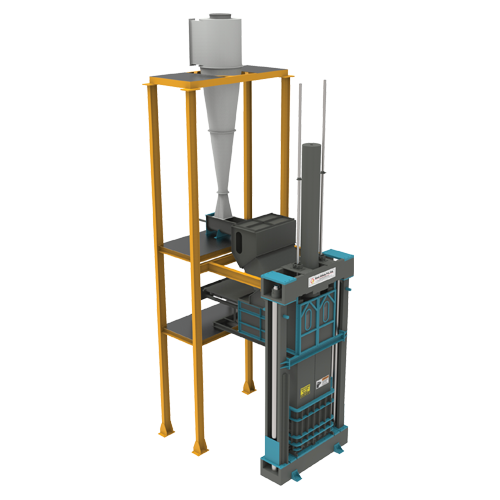 Baled lint11.64 t/day
Cottonseed lint stream
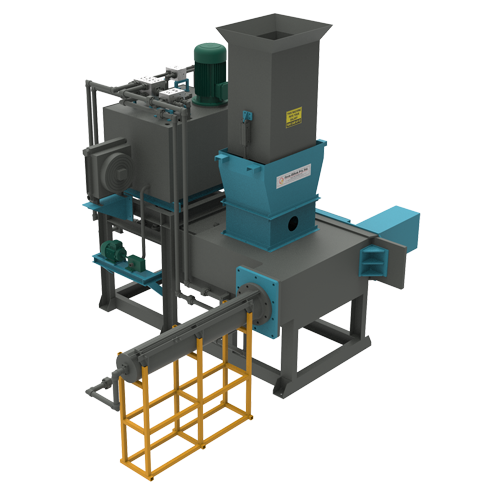 Separated hulls50.00 t/day
Hulls stream, kept separate









Plan a conceptual oilseed processing line before requesting an engineering proposal. Enter your capacity and feed composition, compare supported extraction routes, and see how the incoming material divides into oil, cake or meal, lint, hulls and other streams.
Follow the mass entering and leaving each stage in tons per day or tons per hour. Enter daily feed and operating hours to estimate the throughput your preparation and extraction equipment must handle.
Compare mechanical pressing, direct solvent extraction or pre-press extraction where supported. Recovered oil and residual oil in cake or meal are counted separately, so you can see the effect of each route on product recovery.
Include refining to estimate finished oil and refining side streams. Free fatty acids and the selected refining route affect recovery. Compare scenarios on the same incoming-feed basis and use your own assay wherever available.
Suppose a hypothetical plant processes 100 tons of feed per day containing 20% oil and produces 18 tons of crude oil per day. These figures illustrate the arithmetic; they are not a predicted yield for any feedstock.
For a steady-state balance, incoming feed plus added process water equals all final output streams. Count separated impurities, hulls, lint, removed moisture and refining side streams where present. Do not add intermediate streams to the final outputs: that would count the same material twice.
Track lint, hulls, oil and cake or meal separately. Switch delinting and dehulling on or off, and compare pressing with supported solvent extraction and miscella refining options.
Follow soybean preparation, oil extraction and meal production. Enter your oil and moisture assay to estimate recovery at the selected daily capacity.
Compare oil, cake or meal and separated hulls. Adjust the feed composition and supported dehulling and extraction options to explore their effect on recovery.
Estimate mustard oil and cake or meal production at your chosen capacity. Compare the supported pressing and extraction routes using the same feed assay.
Model rapeseed or canola processing from incoming seed to oil and cake or meal. Use composition values appropriate to your variety rather than treating default values as a guaranteed yield.
Start with shelled groundnut kernels and follow oil and cake or meal through the selected route. Upstream pod shelling is outside the calculation.
Start with whole sesame seed to estimate oil and cake or meal from the selected processing route. Wet dehulling is outside this model.
Account for oil, hull separation and cake or meal production. The results respond to the oil and hull fractions you specify.
Follow whole flaxseed, also known as linseed, through preparation and the selected extraction route. Compare oil recovery and residual oil in the remaining cake or meal.
Estimate oil and cake or meal production from whole niger seed. Adjust feed composition and recovery assumptions to compare processing scenarios.
Start with dried coconut meat, excluding shell and husk. Estimate coconut oil and cake or meal production; fresh-coconut wet processing is not included.
Start with shelled shea kernels and follow the supported industrial route to butter and cake or meal. Review finishing and fractionation options where selected.
Follow bran cleaning, preparation and extraction. Feed oil content and refining assumptions affect the estimated crude and finished rice bran oil outputs.
Start with separated maize germ and estimate oil and cake or meal recovery. Upstream maize milling is outside the calculation.
Enter feed capacity in tons per day, operating hours and feed composition to estimate oil, press cake or meal, and separated by-products. View the selected process flow, equipment duties and stage-by-stage material balance.
Cottonseed, soybean, sunflower, mustard, rapeseed or canola, groundnut kernels, sesame, safflower, flaxseed or linseed, niger seed, copra, shea kernels, rice bran and corn germ. Preparation and extraction options depend on the selected feedstock.
Mechanical pressing produces oil and press cake containing residual oil. Solvent extraction recovers oil from prepared feed or pre-pressed cake and produces de-oiled meal. Compare supported routes using the same feed composition and capacity; the simulator shows the residual-oil assumptions for each route.
Yes. Delinting and dehulling are separate choices. Recovered lint, cleaning rejects and separated hulls appear as distinct streams. If dehulling is off, the hull material remains in the downstream feed rather than appearing as a separated by-product.
Yes. Choose Export PDF or Submit & download PDF, complete the enquiry form and submit it to Ferro Oiltek. After successful submission, the same PDF is available to download. It includes your selected process flow, material balance and equipment list.
No. Results are conceptual estimates based on the selected inputs and assumptions. Ferro Oiltek must review feed assays, process suitability, equipment selection and operating requirements before providing a detailed engineering proposal.
The Ferro Oiltek oilseed processing simulator provides conceptual engineering estimates. Feed assays, moisture, residual oil, route suitability and final plant performance require engineering validation. Process losses and by-products remain part of the balance; solvent and utility circuits are excluded.
Explore Ferro Oiltek’s seed preparation, oil expelling, solvent extraction and edible oil refining technology.